



Pu Erh tea is a traditional fermented tea originating from China’s Yunnan province. Known for its earthy flavour, smooth finish, and ability to improve with age, Pu Erh is available in both raw (Sheng) and ripened (Shou) styles. Unlike most teas, Pu Erh undergoes microbial fermentation, which creates its distinctive taste and complexity.
This brewing guide will show you how to get the most of every cup of Eu Erh tea and will focus on varieties such as Ripened Cooked Pu-Erh Cake.
Brewing Guide: How to Brew The Perfect Cup of Pu Erh Tea
You can make the perfect cup of Pu Erh tea by carefully controlling water temperature, steeping time, and leaf quantity. Because Pu Erh leaves are dense and often compressed into cakes or nests, proper brewing allows the leaves to open fully and release their layered flavours while avoiding bitterness or flatness.
What Equipment Do You Need?
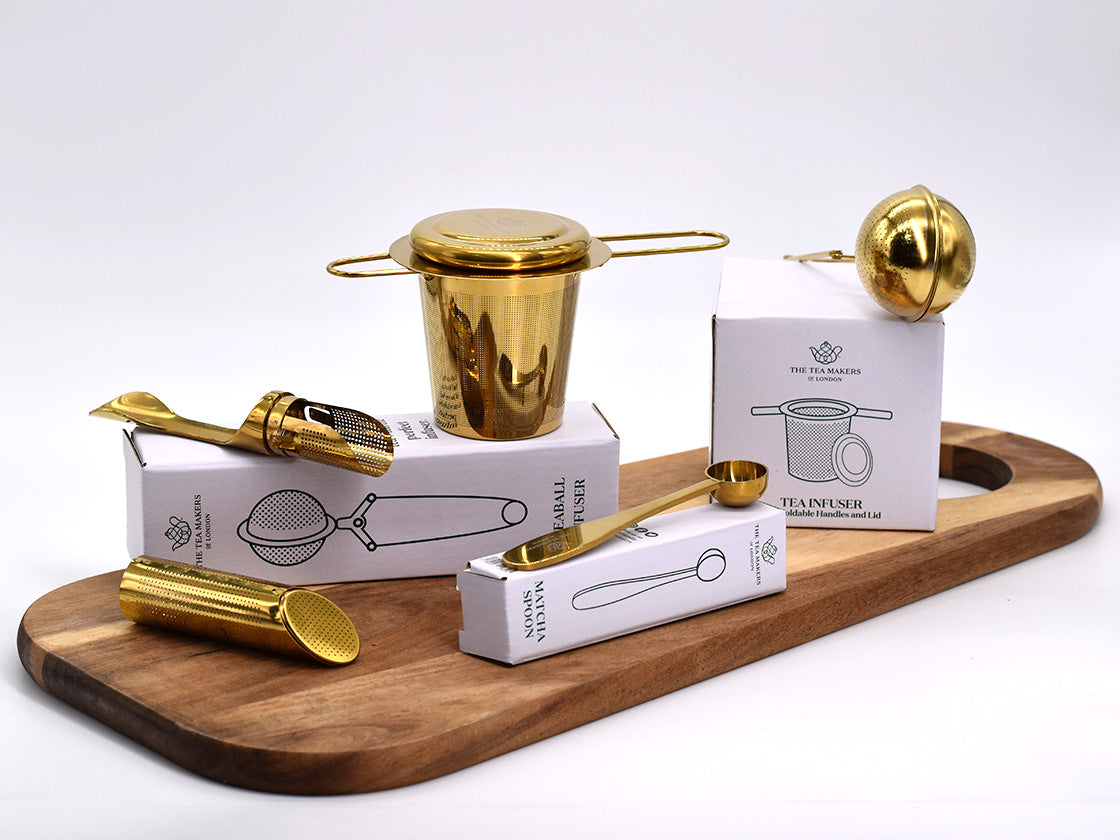
To brew Pu Erh tea properly, we recommend using quality brewing equipment that allows the leaves space to expand and infuse fully.
Recommended equipment includes:
- A teapot or loose leaf tea infuser, such as our Glass One Cup Tea Infuser.
- Temperature-controlled kettle
- Tea scales or teaspoon for accurate measurement
You can explore teapots, tea infusers, and brewing accessories by clicking here.
The Step-by-Step Process of Brewing Pu Erh Tea
Step 1: Measure Your Tea Leaves
Use approximately 3–5 grams of Pu Erh tea per 200ml of water.
Using the correct amount of tea ensures balanced flavour extraction. Too many leaves can result in overly strong or bitter tea, while too few leaves may produce a weak and diluted brew. If brewing compressed Pu Erh cakes, gently break off small portions using a tea pick or knife to avoid crushing the leaves.
Step 2: Heat fresh boiled water.
Pu Erh tea requires hotter water than green or white teas because the leaves are aged and fermented. High temperatures help release the tea’s deep, earthy notes and fuller body. Slightly lower temperatures (around 90–95°C) can be used for raw Pu Erh to maintain smoother, lighter flavour notes.
Step 3: Steep the Tea
Pour hot water over the rinsed leaves and allow the tea to infuse.
Steeping allows the flavours, aroma compounds, and natural oils to release into the water. Pu Erh tea develops depth gradually during infusion, creating complex and layered tasting notes.
Step 4: Strain and Serve
Once brewed, strain the tea into cups or a serving pitcher to prevent over-steeping. Proper straining ensures the tea remains smooth and prevents bitterness caused by prolonged leaf contact with water.
How Long Do I Need to Brew Pu Erh Tea?
The ideal steeping time depends on your brewing style and taste preference:
- Steep for 3–5 minutes
- Produces a full-bodied, balanced cup
- Longer steeping increases strength and earthiness
Understanding how long to brew Pu Erh tea is key to achieving the best flavour balance while preventing harsh or overly strong results.
Pu Erh Tea Serving Instructions
Pu Erh tea is traditionally served plain to fully appreciate its natural flavour complexity. In Chinese tea culture, Pu Erh is often prepared using the Gong Fu Cha method, where tea is brewed through multiple short infusions as part of a mindful and ceremonial tea experience.
Pu Erh pairs particularly well with savoury foods such as dim sum, roasted nuts, and mild cheeses. It is also traditionally enjoyed after meals due to its smooth and refreshing finish.
What About Pu Erh in Other Forms?
Pu Erh tea is available in several convenient formats, each offering slightly different brewing approaches. You can explore our collection of Pu Erh teas here.