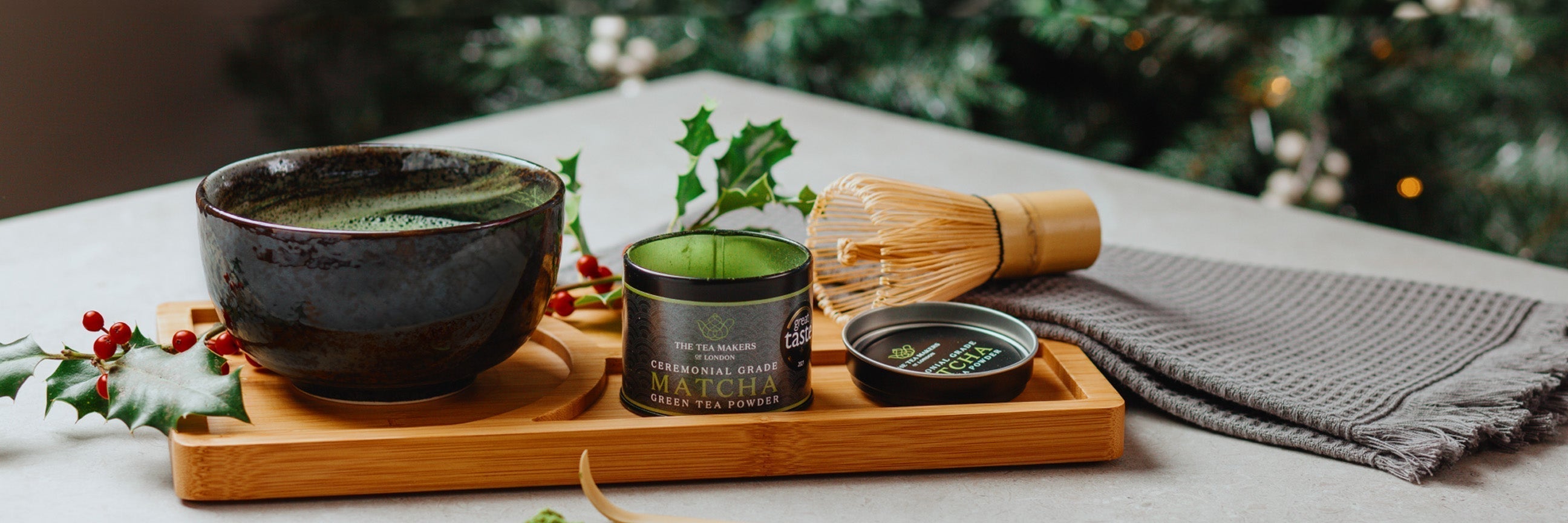

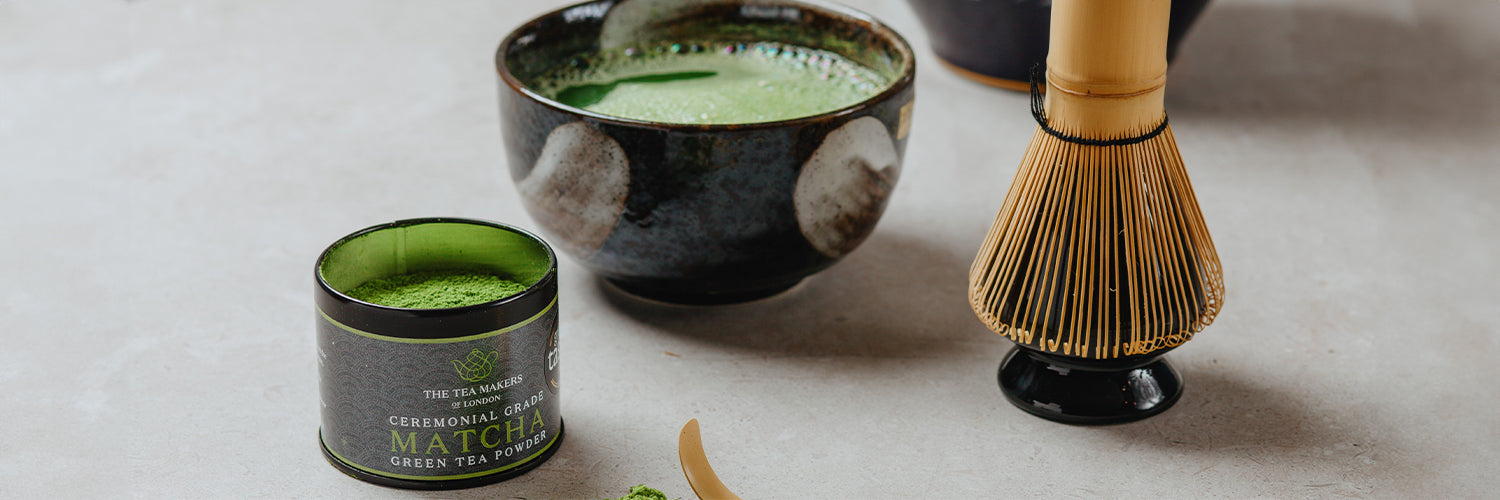
Unlike traditional green tea where leaves are steeped and discarded, matcha involves whisking the entire leaf into water, providing a more potent source of nutrients. To produce truly authentic Japanese matcha, tea plants in regions like Mie Prefecture are carefully shaded before harvest to increase chlorophyll and sweetness, resulting in the brilliant emerald hue found in high-quality ceremonial and Imperial grades.
Where Does Matcha Come From?
Matcha originated from ancient powdered tea traditions in China but was refined and perfected in Japan from the 12th century onwards. Here shade-growing and stone-grinding methods define matcha’s vibrant colour, smooth texture and rich umami flavour.
Our ceremonial grade matcha is sourced from the Ise Bay area of Mie Prefecture, Japan, a celebrated tea region with over 900 years of matcha and green tea heritage. Its clean environment, skilled growers and ideal climate produce authentic, high-quality Japanese matcha.
For over 15 years, we have worked directly with Yoshi and Yuko, third-generation tea farmers, visiting their farms and factory to ensure transparency, trust and consistently exceptional matcha powder.
What are the Different Grades of Matcha?
Choosing the right matcha depends on how you plan to enjoy it. From traditional tea drinking to lattes and baking, each matcha grade is crafted for a specific purpose. Below is a simple guide to help you decide which type of matcha is right for you.
Culinary Grade Matcha
This has a stronger, more robust flavour that is usually more astringent. This makes it particularly well suited for cooking, baking, and making smoothies, where the matcha needs to retain its flavour when mixed with other ingredients such as milk, sugar, or flour.
Premium Grade Matcha
Premium quality matcha offers a well-balanced taste with smoothness and mild bitterness. It is ideal for making matcha lattes and for everyday drinking, providing a versatile option that bridges the gap between ceremonial and culinary grades.
Ceremonial Grade Matcha
Ceremonial grade matcha is very high quality, featuring a velvety smooth texture and a naturally sweet, distinct umami flavour. Best enjoyed on its own with hot water, ceremonial grade matcha delivers the most authentic matcha experience along with the highest level of natural health benefits.
What Makes Ceremonial Grade Matcha Different?
Ceremonial grade matcha is defined by both flavour and process. Before harvest, tea plants are shaded for around 21 days, increasing chlorophyll and amino acids like L-theanine. This traditional method enhances natural sweetness and umami while reducing bitterness, creating a smooth, balanced matcha ideal for drinking neat.
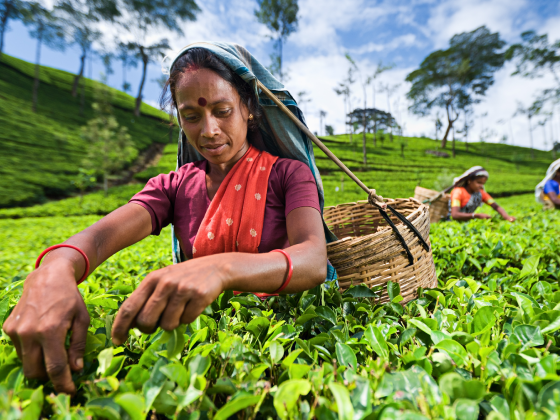
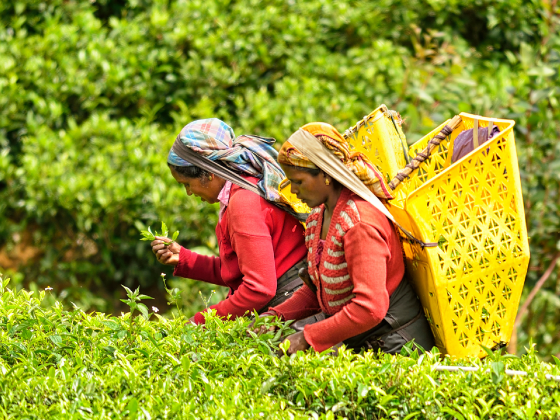
After harvest, only the finest leaves are selected, with stems and veins removed before slow stone-milling at low temperatures. This careful, labour-intensive process preserves colour, aroma and nutrients, and is what makes true Japanese ceremonial matcha so rare and highly prized.
Some of the Benefits of Matcha
Matcha is rich in antioxidants, particularly catechins, which may help support heart health and reduce inflammation. It also contains L-theanine, an amino acid known for promoting calm focus and balanced energy without the jitters often associated with coffee. Because matcha is made from finely ground whole tea leaves, it provides a more concentrated source of these beneficial compounds than regular green tea, making it a nourishing choice as part of a balanced lifestyle.
How to Serve Matcha
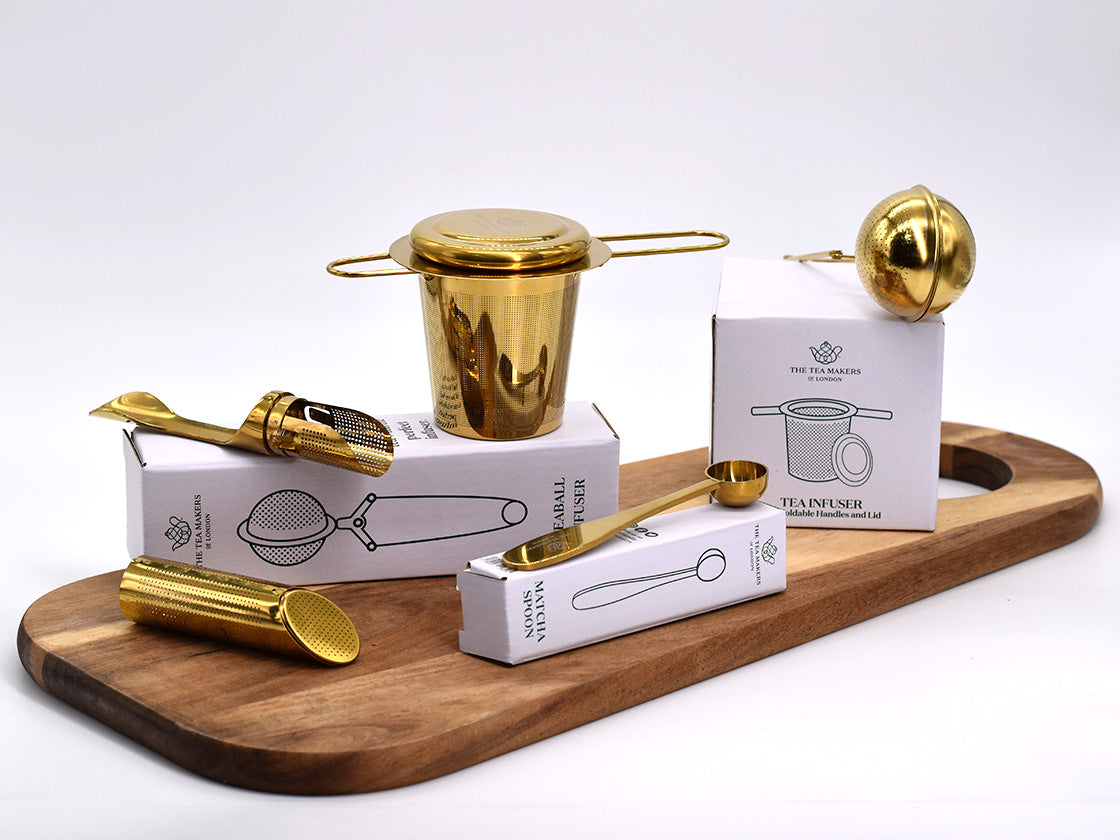
Start by measuring 1–2 g of matcha with a matcha spoon into a bowl or cup, then add a small amount of water at around 60-70 °C. Whisk briskly in a zigzag motion until the tea becomes smooth and frothy—this builds the creamy texture that matcha is known for. You can enjoy it as a classic hot matcha, or use it as the base for lattes and smoothies with your choice of milk or plant‑based alternative. Using quality matcha and the right tools ensures a rich, balanced taste every time.
Taste Profile & Caffeine Content
Matcha from The Tea Makers has a smooth, naturally sweet flavour with subtle umami and vegetal notes. Higher‑grade matcha is creamy and balanced, while culinary matcha offers a stronger, more robust taste. To expand on this further, read our What Does Matcha Taste Like blog.
In terms of caffeine, matcha delivers a gentle, sustained energy boost due to its combination of caffeine and L‑theanine, providing alertness without the typical coffee crash, making it a perfect choice for both mindful sipping and everyday energy.
Check out our blog Matcha vs Coffee to discover how Matcha compares to coffee drinking.
Where Can I Buy High Quality Matcha?