



Whether you are exploring the best green tea UK has to offer or simply looking to improve your daily ritual, we will help you brew green teas with confidence and achieve a consistently excellent cup using the finest green tea.

What Is Green Tea and Its Varieties?
Green tea is made from the leaves of the Camellia sinensis plant, carefully processed to preserve its natural antioxidants, fresh character and vibrant colour. Unlike black tea, green tea undergoes minimal oxidation, allowing its flavour to remain light, vegetal and nuanced.
There are many green tea types and green tea varieties, each offering a unique experience:
- Sencha – A Japanese staple, known for its grassy sweetness and clean finish
- Jasmine green tea – A natural green tea scented with fresh jasmine blossoms
- Dragon Well (Long Jing) – A Chinese favourite with a smooth, nutty profile
- Genmaicha – A comforting blend of green tea and toasted rice
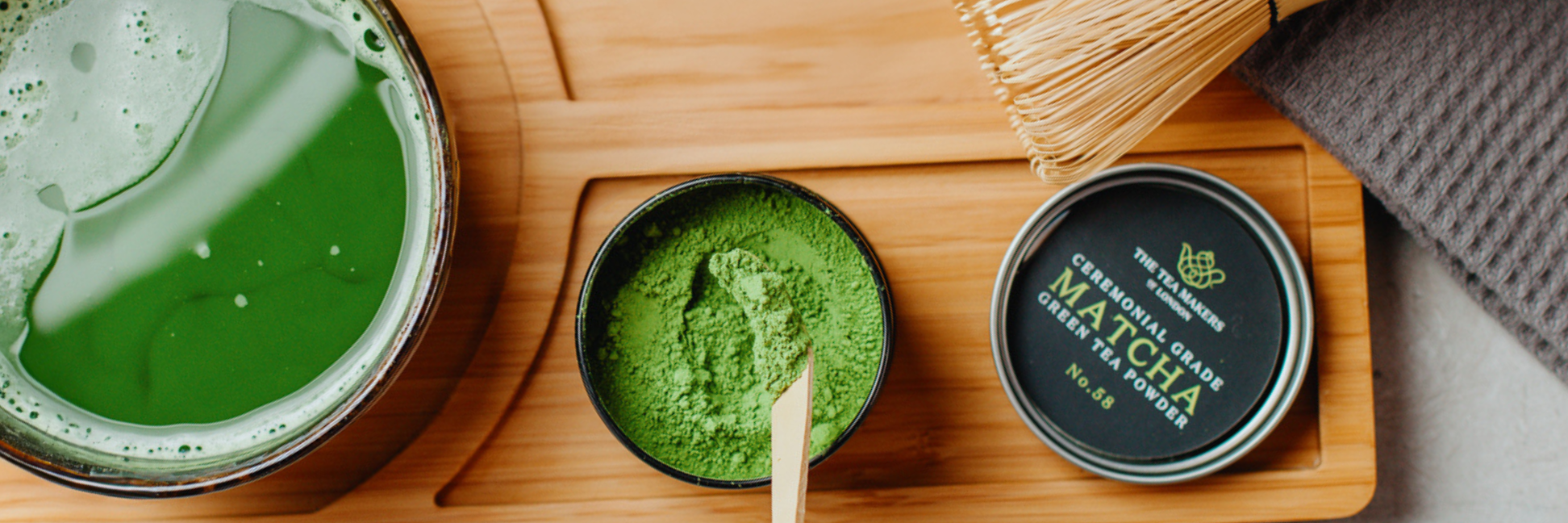
- Matcha – A finely ground powder offering a rich, umami flavour
Exploring different styles helps you discover the best green tea for your palate. From everyday blends to premium loose-leaf options, there are many green teas available, looking for a good green tea UK.
What Equipment Do You Need?
- A reliable kettle for heating fresh filtered water
- A teapot, infuser or glassware for steeping the leaves
- A teaspoon or scale for accurate leaf measurement
- A tea timer for the perfect cup
Explore our Teaware Collection and enjoy perfectly brewed green tea with our Complete Loose Tea Hamper, a complete set featuring elegant glass teaware, essential accessories and four loose leaf teas.
How to Brew Green Tea: The Core Method
Mastering how to brew green tea comes down to three essential elements: temperature, time and leaf quantity. Some green teas may slightly differ, read further into our blog for a more extensive guide.
1. Measure Your Green Tea Leaves
Use around 2 to 3 grams (1 teaspoon) of green tea leaf per 200ml of freshly filtered water to retain the clean, delicate profile of the tea.
2. Heat the Water Correctly
Green tea is delicate. Heat your water to 80°C. Green tea leaves are delicate and cooler temperatures help preserve flavour, boiling water can scorch the leaves and create bitterness.
3. Prewarm your teapot or cup
Rinse with hot water to keep the brewing temperature stable and avoid cooling the leaves on contact.
4. Steep with Precision
Steep your green tea for 1 to 3 minutes: A shorter infusion produces a lighter, sweeter cup, while longer brewing develops more vegetal and nutty notes.
5. Strain and Serve
Remove the leaves immediately once brewed. This ensures a smooth, clean finish without overpowering notes.
Using high-quality green tea leaves tea will elevate every step of this process, particularly when brewing fresh green tea sourced from spring harvests. Milk is not recommended, enjoy green tea pure to appreciate its clean flavour and aroma.
Loose Leaf vs Tea Bags
Both loose leaf tea and green tea bags offer convenient ways to enjoy green tea, but they provide different experiences. Loose Leaf Green Tea Allows leaves to fully unfurl for better flavour extraction, often considered the finest green tea experience.
Green tea bags are convenient and quick for everyday brewing, on the go or in the office and ideal for consistent results when short on time over loose green tea. You can still brew excellent tea with tea bags, especially when using the best green tea bags made with high-quality leaf such as jasmine tea bags or sencha tea bags.

Brewing Specific Green Tea Varieties
Certain Japanese green teas benefit from more precise brewing.
How to Brew Sencha Green Tea
Sencha is a classic Japanese green tea with fresh, grassy notes and a clean, slightly sweet finish. It is one of the most popular green teas and requires careful brewing to avoid bitterness.
Recommended Brewing Method
- Use 2 to 3g of loose-leaf green tea per 200ml of water
- Heat water to 80°C
- Brew for 2 to 3 minutes
Want to brew sencha perfectly?
Read the full brewing guide for sencha green tea
How to Brew Jasmine Green Tea
Jasmine green tea is a natural green tea scented with fresh jasmine blossoms, known for its delicate floral aroma and smooth, slightly sweet taste. Precision brewing helps preserve its fragrance and balance. Available as loose leaf or jasmine tea bags.
Recommended Brewing Method
- Use 2 to 3g of loose-leaf green tea per 200ml of water
- Heat water to 80°C
- Brew for 2 to 3 minutes
Want to perfect your jasmine tea brewing?
Read the full brewing guide for jasmine green tea
How to Brew Genmaicha Iri Matcha and Sencha Iri Matcha
Genmaicha Iri Matcha and Sencha Iri Matcha are Japanese green teas that combine high-quality sencha with matcha to create smooth, refreshing green teas with layered flavour and gentle sweetness.
Recommended Brewing Method
- Use 2 to 3g of loose-leaf green tea per 200ml of water
- Heat water to 70°C
- Brew for 2 to 3 minutes
Brewing Tips
- Lower temperatures preserve the delicate matcha and prevent bitterness
- Avoid over-steeping, as both teas are naturally low in tannins and can become flat if brewed too long
Expect a smooth, refreshing cup with layered flavour rather than strong intensity

How to Brew Anji Bai Cha
Anji Bai Cha is a stunning example of a rare Chinese green tea. This exceptional Anji Bai Cha offers a very clean and light liquor with a hint of pale greenish colour, accompanied by the most refreshingly delicate and soothing cup. It imparts a complex flavour with mellow with lovely mild citrus notes, a silky mouthfeel and a lingering subtle sweet finish.
Recommended Brewing Method
- Use 2 to 3g of loose-leaf green tea per 200ml of water
- Heat water to 100°C
- Brew for 2 to 3 minutes
Brewing Tips
- Avoid boiling water, as high temperatures can overwhelm its delicate flavour
- Use slightly cooler water to highlight its natural sweetness and smooth texture
- Do not over-steep, as this can flatten its subtle citrus and vegetal notes
How to Brew Jasmine Basket Flowering Tea
Jasmine flowering tea is a handcrafted jasmine green tea that gently unfolds into a delicate bloom, releasing a light floral aroma with soft peach sweetness. Both a visual experience and a refined cup, it offers a smooth, refreshing infusion.
Want to see it bloom and brew it perfectly?
Read the full brewing guide for jasmine flowering tea
How to Brew Matcha
Matcha is a finely ground Japanese green tea that offers a rich, smooth texture with deep umami flavour and natural sweetness. From traditional ceremonial preparation to creamy lattes, it provides a versatile and energising tea experience.
Want to master every method and brew it perfectly?
Read the full brewing guide for matcha
Choosing and Buying the Best Green Teas
When looking to buy green tea or make a green tea purchase, consider the following:
- Origin, such as Japan or China
- Harvest season, with spring teas considered the finest
- Format, including loose leaf green tea or green tea bags
- Flavour profile, from grassy to floral to nutty
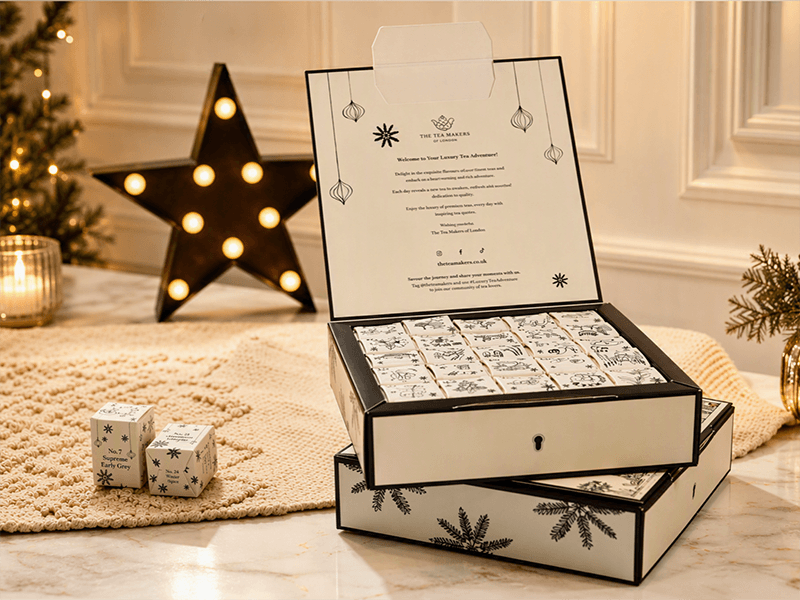
If you are exploring options, a green tea gift set or curated collection is an excellent way to discover different styles. Choosing green tea that tastes good is ultimately about personal preference, and experimenting with different varieties is part of the journey.
Final Thoughts
Understanding how to brew green tea transforms a simple drink into a refined daily ritual. By using the right temperature, timing and tea format, you can consistently enjoy the best green tea at home.
Whether you prefer loose leaf green tea or convenient green tea bags, mastering the fundamentals ensures every cup reflects the quality of the leaves you select, from sencha to jasmine, it is the best way to refine your palate and experience the full spectrum this remarkable tea has to offer.
Green Tea FAQs
Does Green Tea Have Caffeine?
Yes, green tea contains caffeine, although typically less than coffee. You may wonder How Much Caffeine Is in Green Tea - Green tea caffeine content usually ranges between 20 to 40mg per cup, depending on the type and brewing method.
Is There Caffeine in Green Tea Compared to Coffee?
Yes, but significantly less. This makes green caffeine tea a popular choice for those seeking balanced energy. If you are looking for a higher caffeine option, matcha is ideal, as it is made from whole ground tea leaves, resulting in a richer and more sustained release of energy.
Is Green Tea Caffeine Free?
No. Green tea is not caffeine free, but it is lower in caffeine than black tea or coffee. Is Green Tea High in Caffeine? No, it is considered moderate. The green tea and caffeine content make it suitable for sustained energy without the sharp spikes associated with coffee. But does the Green Tea Contain Caffeine After Brewing Lightly, Yes. Even lightly brewed tea contains caffeine, although shorter brewing times can reduce extraction slightly.
Can You Reuse Green Tea Leaves?
Yes, most green tea leaves can be infused 2 to 3 times. Each infusion will reveal slightly different flavours.
Why Does Green Tea Taste Bitter?
Bitterness is usually caused by water that is too hot or brewing for too long. Lowering the temperature and reducing steeping time will improve flavour.
Can You Drink Green Tea Cold?
Yes, green tea can be enjoyed as a cold brew or iced tea. Cold brewing creates a smoother, less bitter flavour.
What Is the Best Way to Store Green Tea?
Store green tea in an airtight container away from light, heat and moisture to preserve freshness and flavour.