




Explore our Matcha guides
The Tea Makers of London
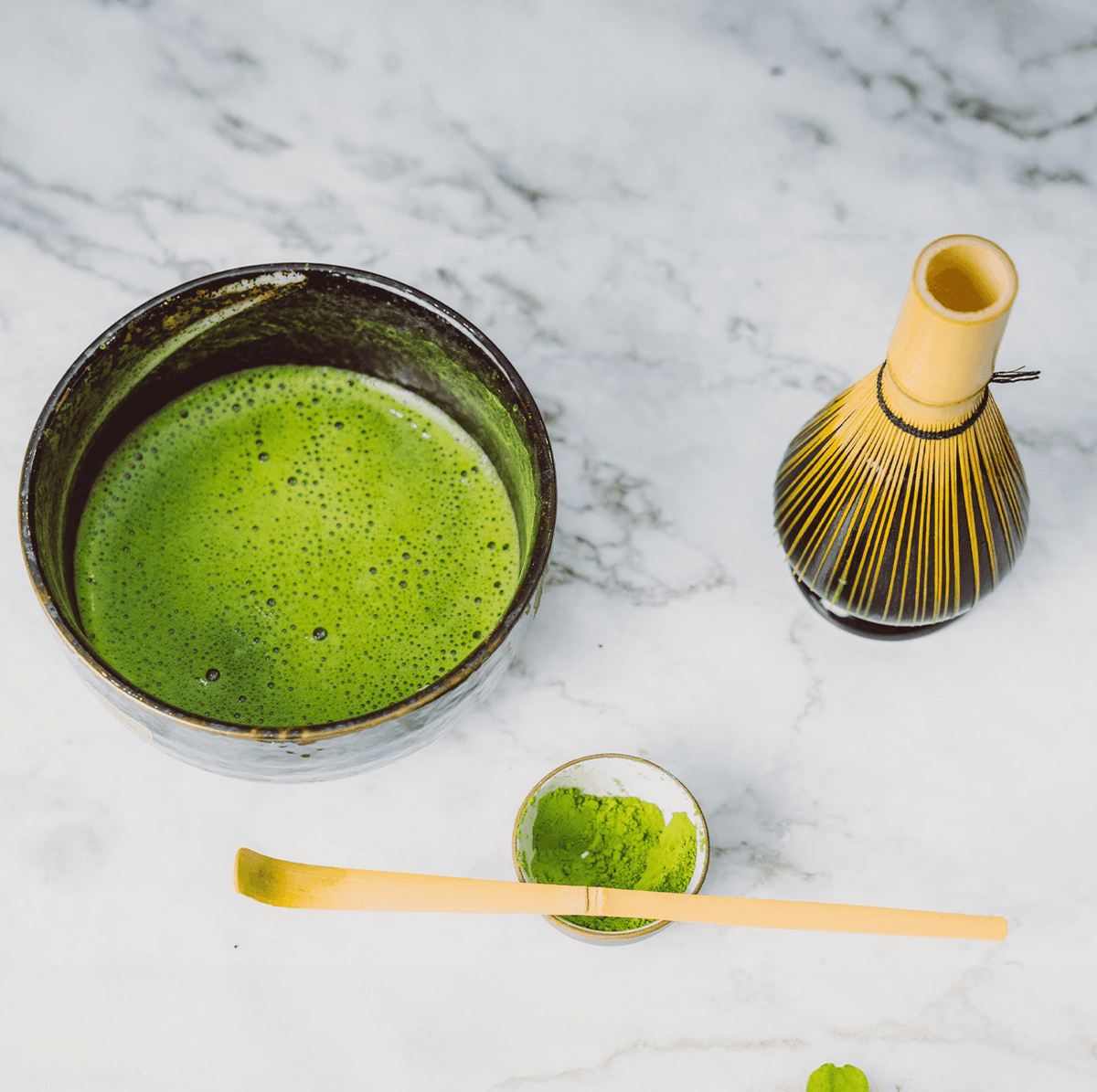
Matcha vs Coffee
Wondering how matcha compares to your morning coffee? We break down the caffeine, the energy lift and the health benefits, so you can decide which one suits you best.
The Tea Makers of London
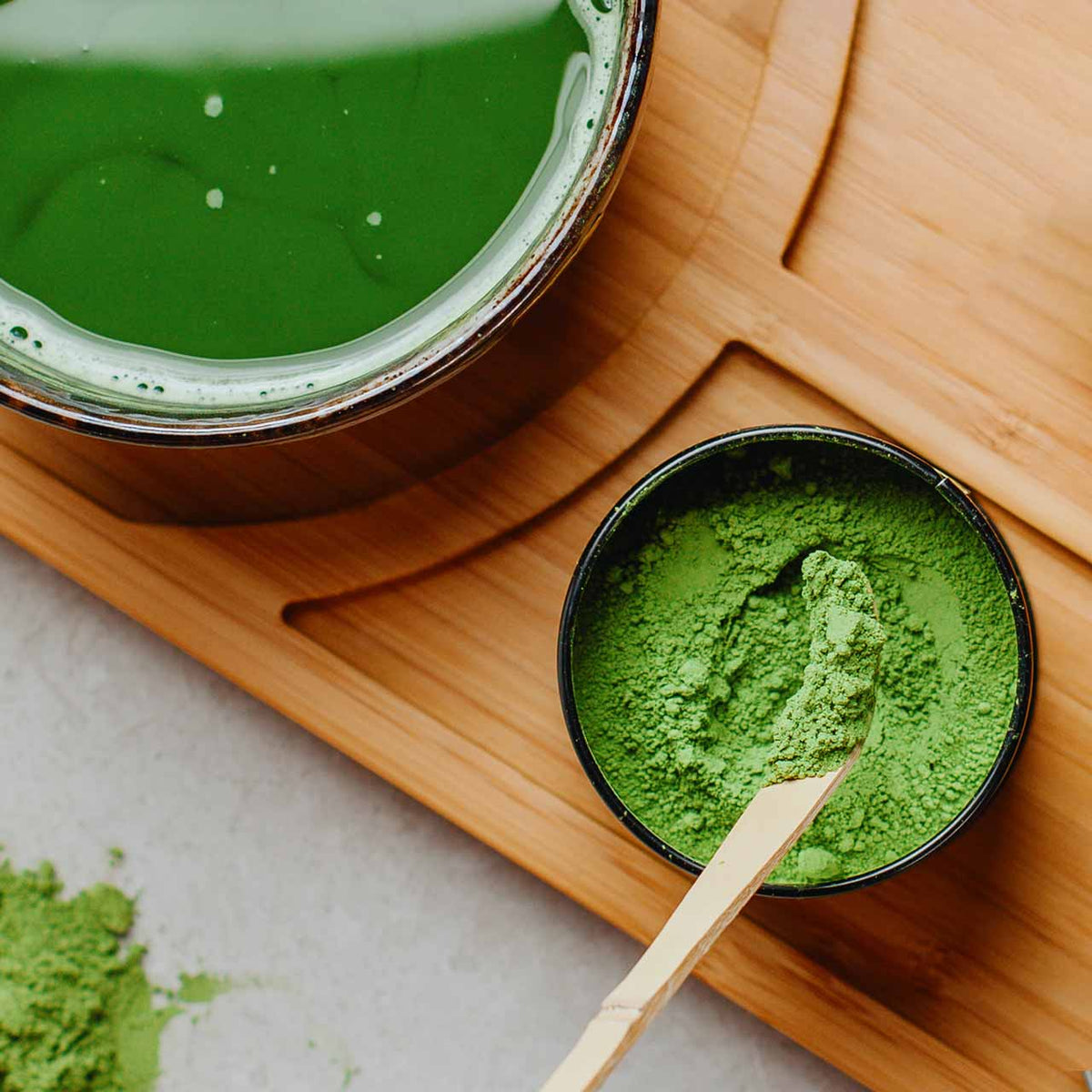
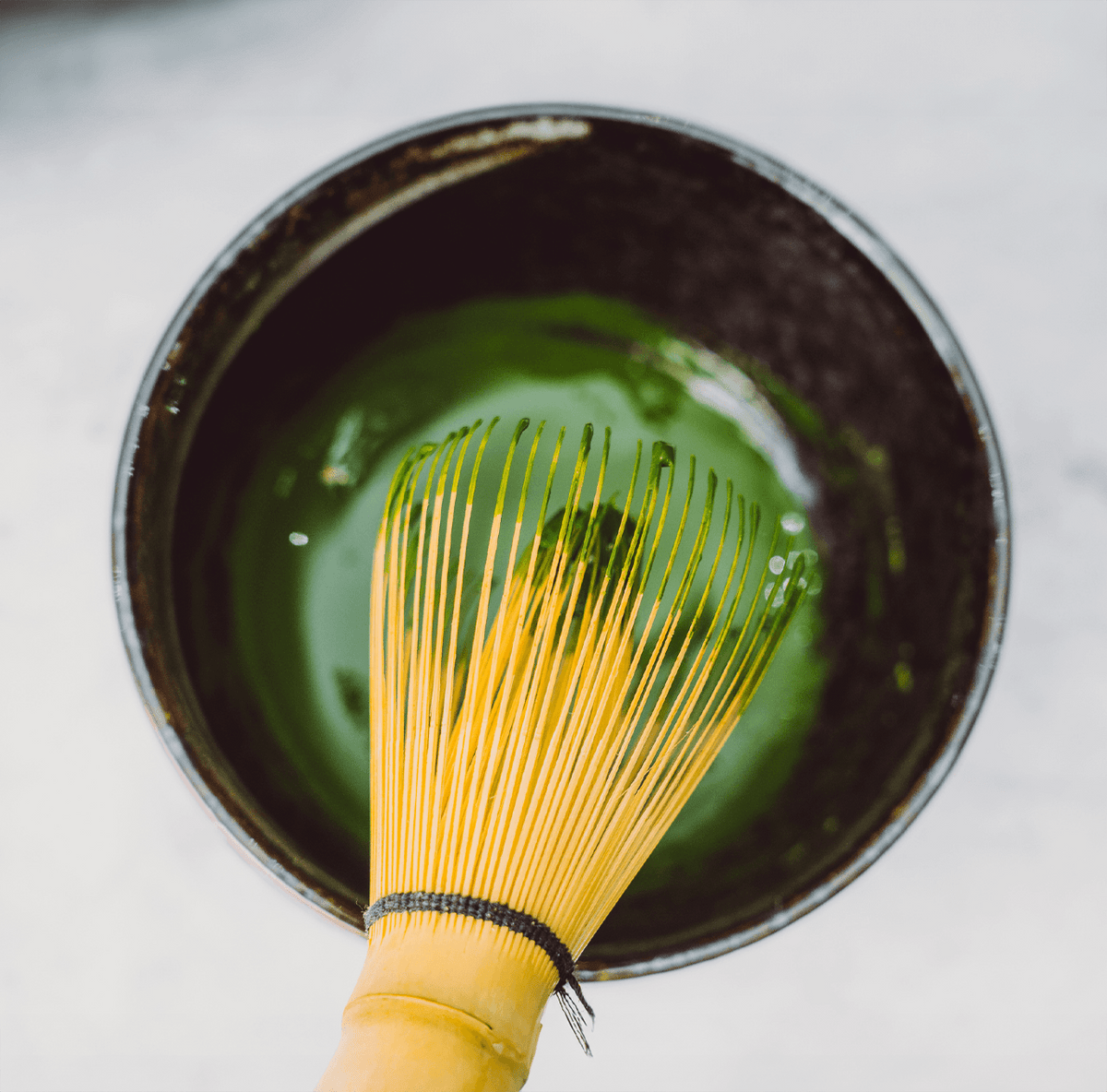
How to Brew Matcha
The traditional way to prepare a bowl of matcha at home. A simple step-by-step guide to water temperature, whisking technique and getting that smooth, frothy finish every time.
The Tea Makers of London
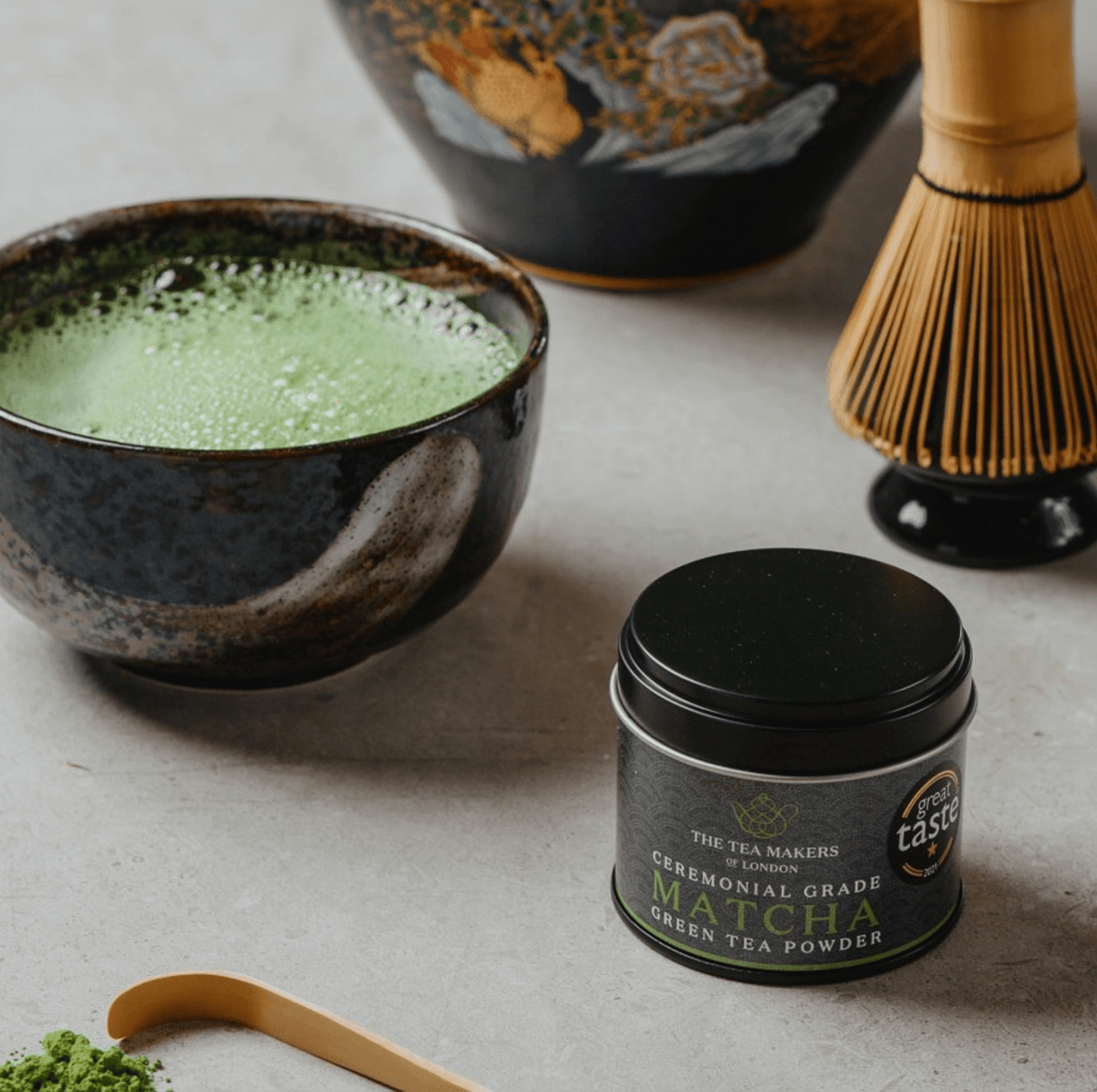
Health Benefits of Matcha
Rich in antioxidants and gently energising, matcha has plenty to offer beyond its flavour. A closer look at what makes this vivid green tea so good for you.
The Tea Makers of London
What Does Matcha Taste Like?
We outline the flavour profile of matcha, the different ways it can be enjoyed and why you should start drinking matcha today!
Shop our matcha collection




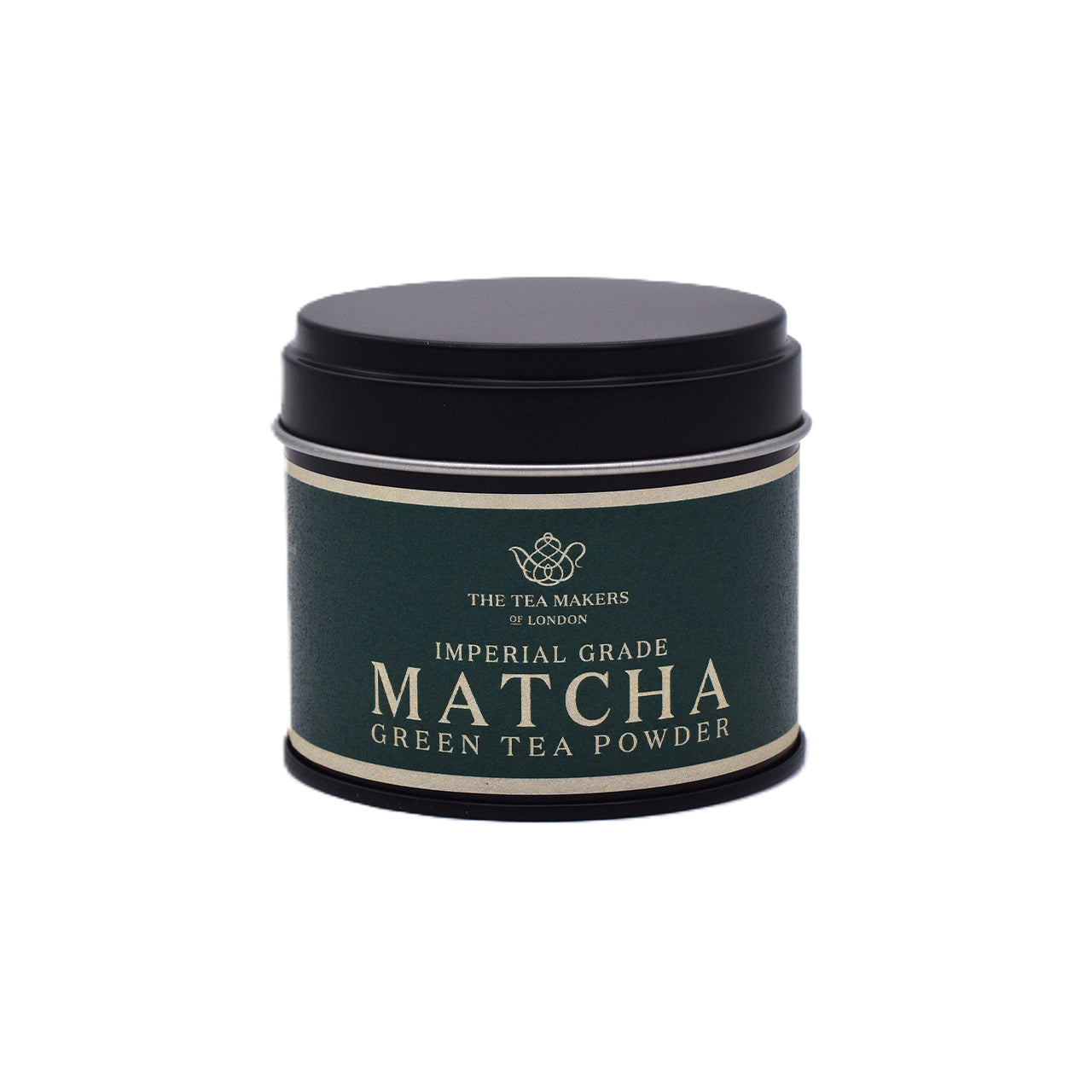

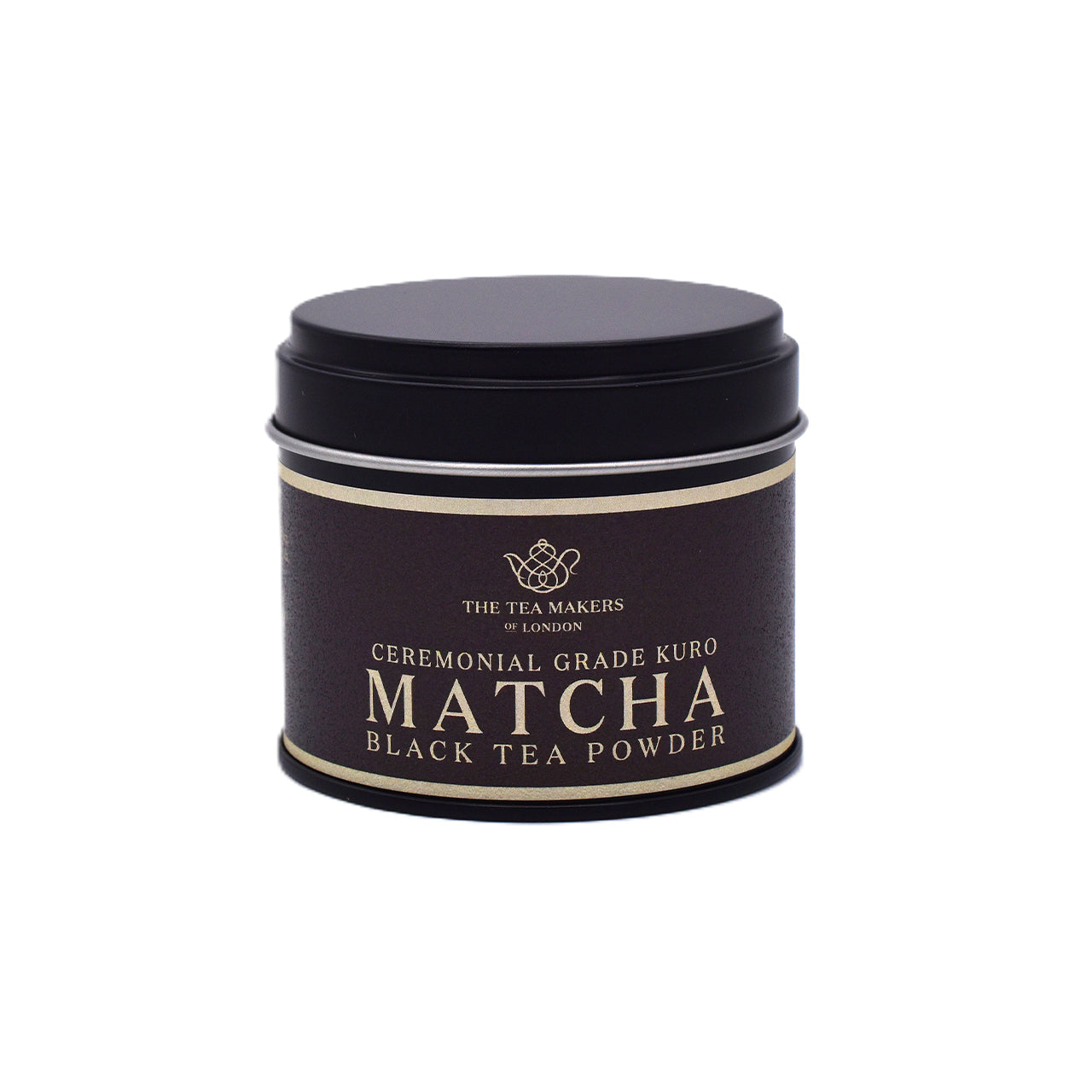
Matcha FAQ’s
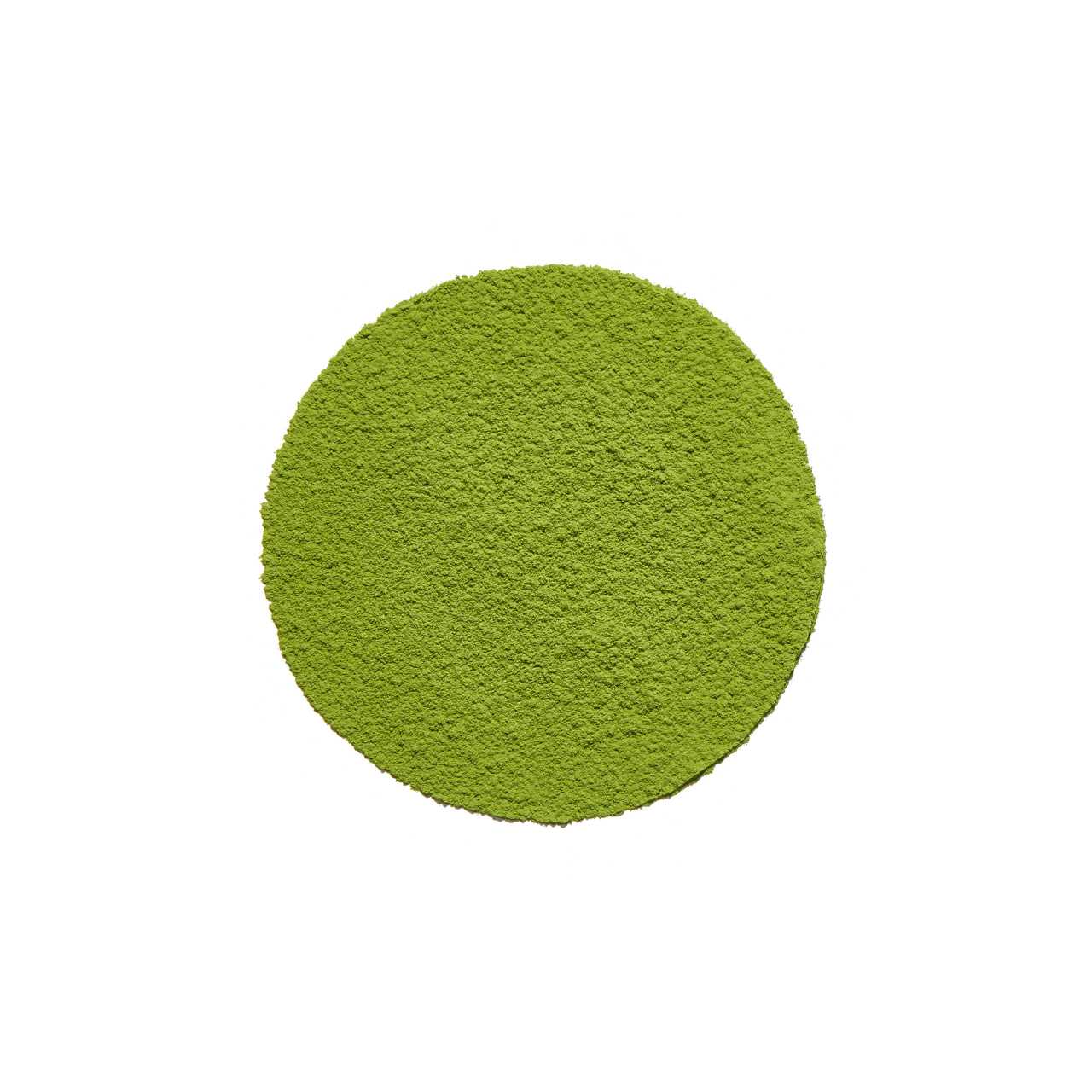
Matcha is a finely ground powder made from shade-grown green tea leaves.
Unlike other green teas, where the leaves are steeped and then removed, with
matcha you whisk the whole leaf into water and drink it. That is why matcha
tastes richer, looks vivid green and delivers more of the leaf's natural
compounds than a standard cup of green tea.
The leaves are shaded for several weeks before harvest, then steamed, dried
and stone-ground into powder. Shading is what gives good matcha its sweetness
and its distinctive savoury depth.
Good matcha tastes fresh, smooth and naturally sweet, with a savoury depth known as umami and a clean, grassy finish. It should never be harsh.
Bitterness usually points to one of three things: lower grade matcha, water that was too hot, or too much powder for the amount of water. Ceremonial grade matcha whisked with water at around 80°C gives the smoothest, sweetest result.
Because you consume the whole leaf, matcha delivers more caffeine than
steeped green tea. It also contains L-theanine, an amino acid that slows how
quickly caffeine is absorbed. This is why people often describe matcha as
giving a calmer, longer-lasting lift than coffee, without the same sharp drop
afterwards.
Matcha is naturally rich in antioxidants, particularly a group called
catechins. Drinking the whole leaf means you take in more of these compounds
than you would from a standard brewed green tea.
It also contains L-theanine, which is associated with focused calm, and
small amounts of chlorophyll, fibre and minerals. Matcha is best thought of as
a pleasant daily habit rather than a remedy. As with any caffeinated drink,
moderation matters.
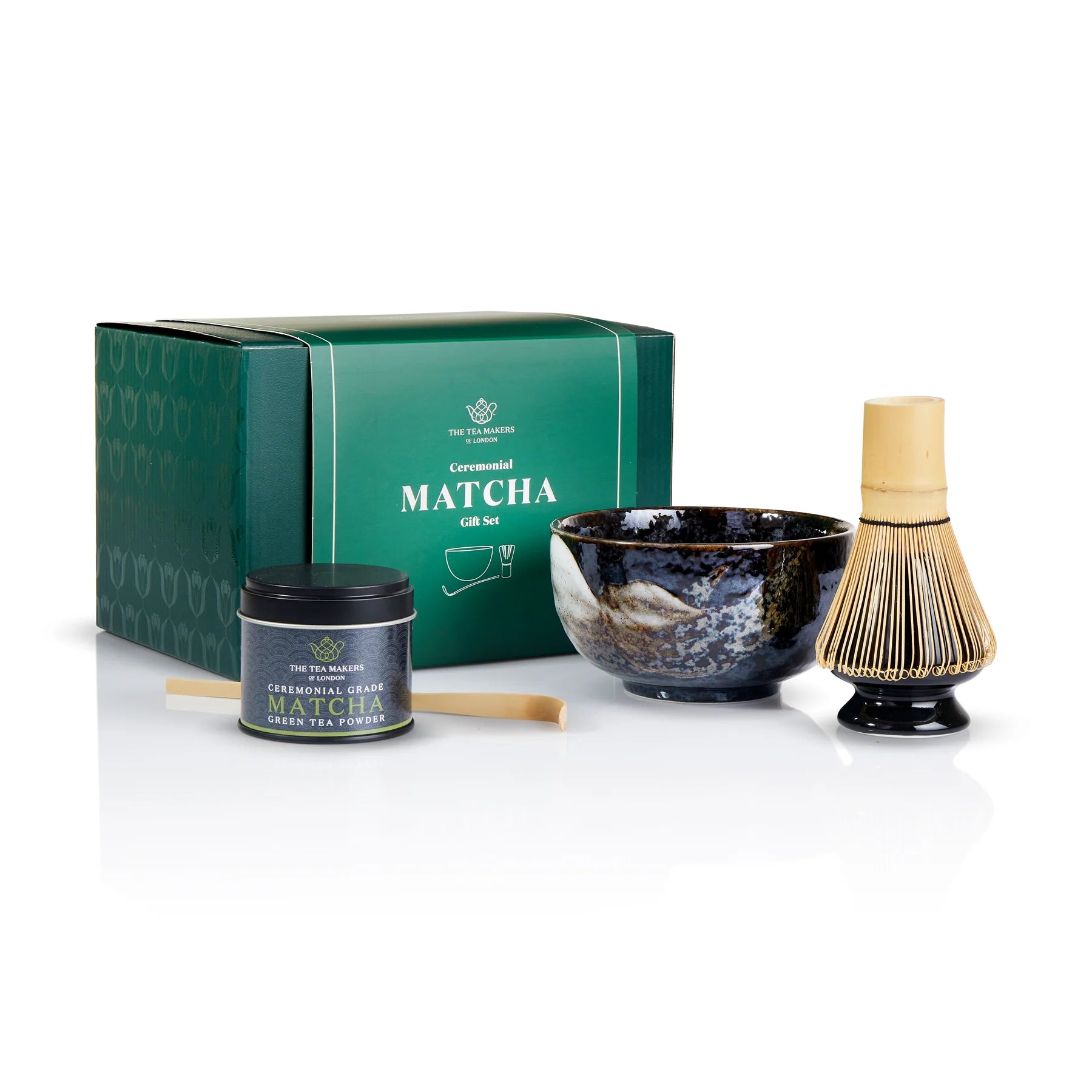
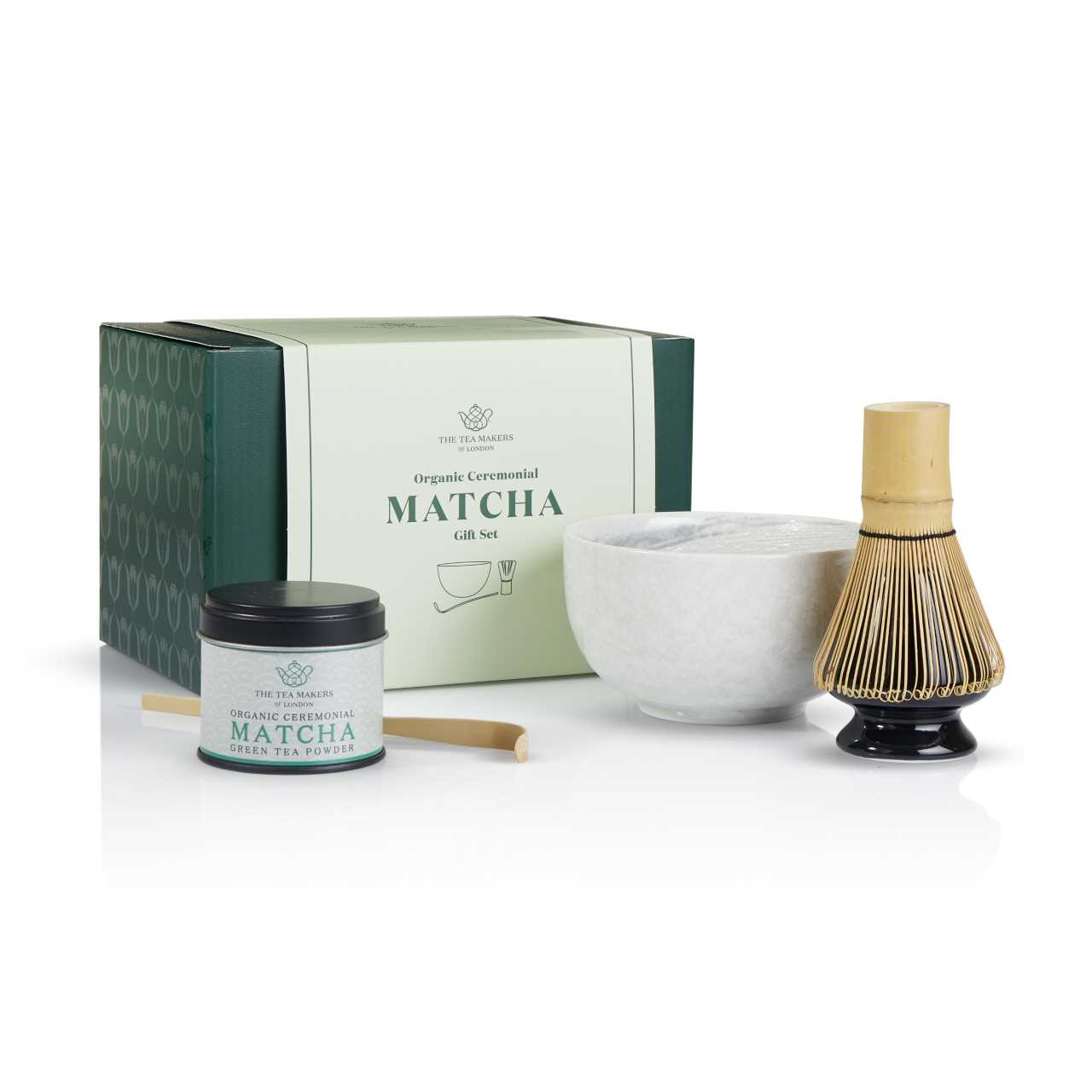
You need very little to start. A bamboo whisk, known as a chasen, a wide
bowl and a small sieve will cover everything.
The whisk is the part that matters most. Its fine bamboo prongs break up
clumps and create the smooth, frothy surface that a spoon or fork cannot.
Sifting the powder first prevents lumps.
A matcha starter set brings these pieces together and is the simplest way to
begin. From there, a bamboo scoop and a temperature-controlled kettle help you
get consistent results every time.
Matcha is sensitive to air, light, heat and moisture, all of which dull its flavour.
Keep it in an airtight tin away from sunlight and strong smells, and use a
dry spoon each time. Once opened, matcha is at its best within four to six
weeks. An unopened tin kept somewhere cool will hold its quality for much
longer.